Psilocybin Mushrooms in Their Natural Habitats
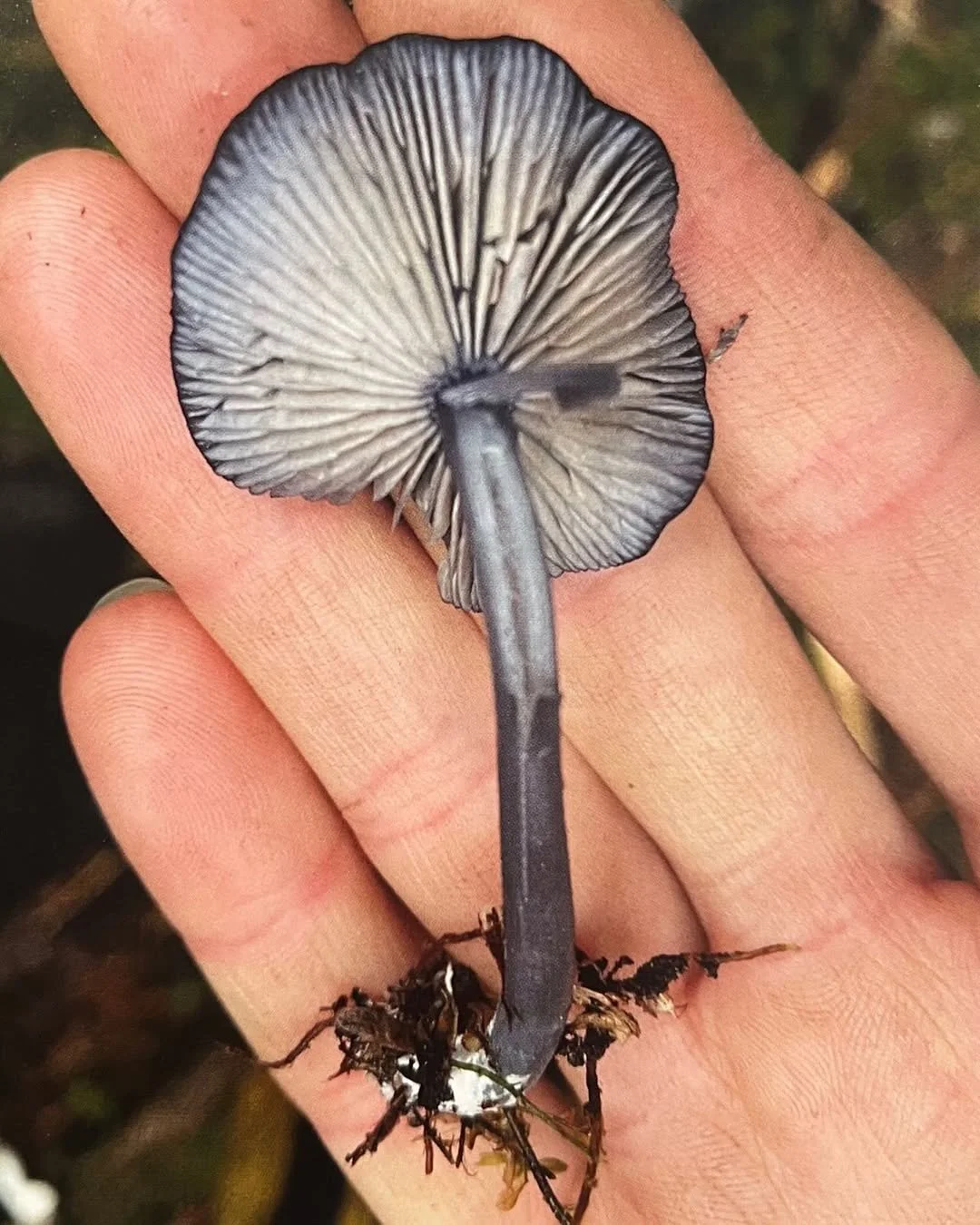
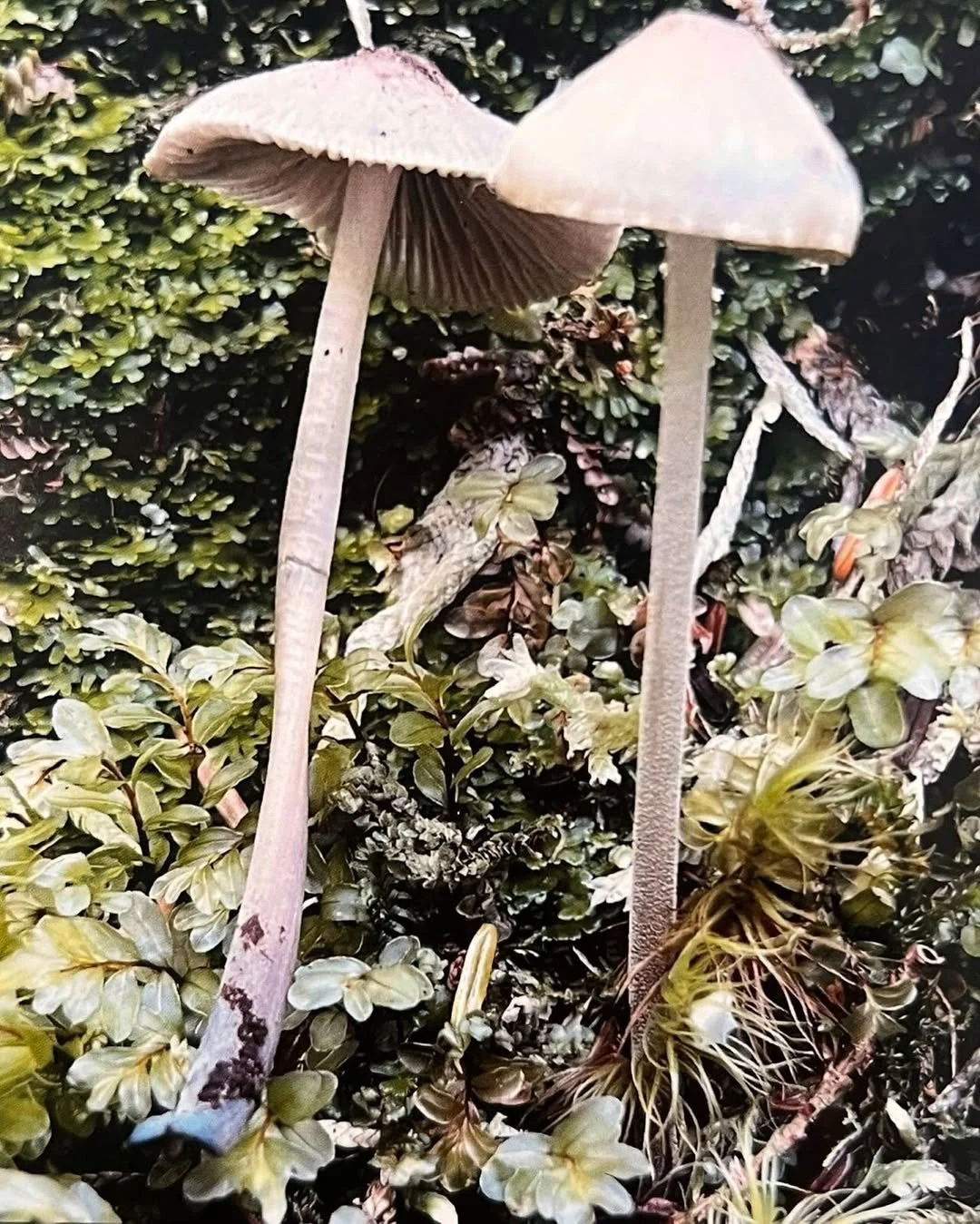
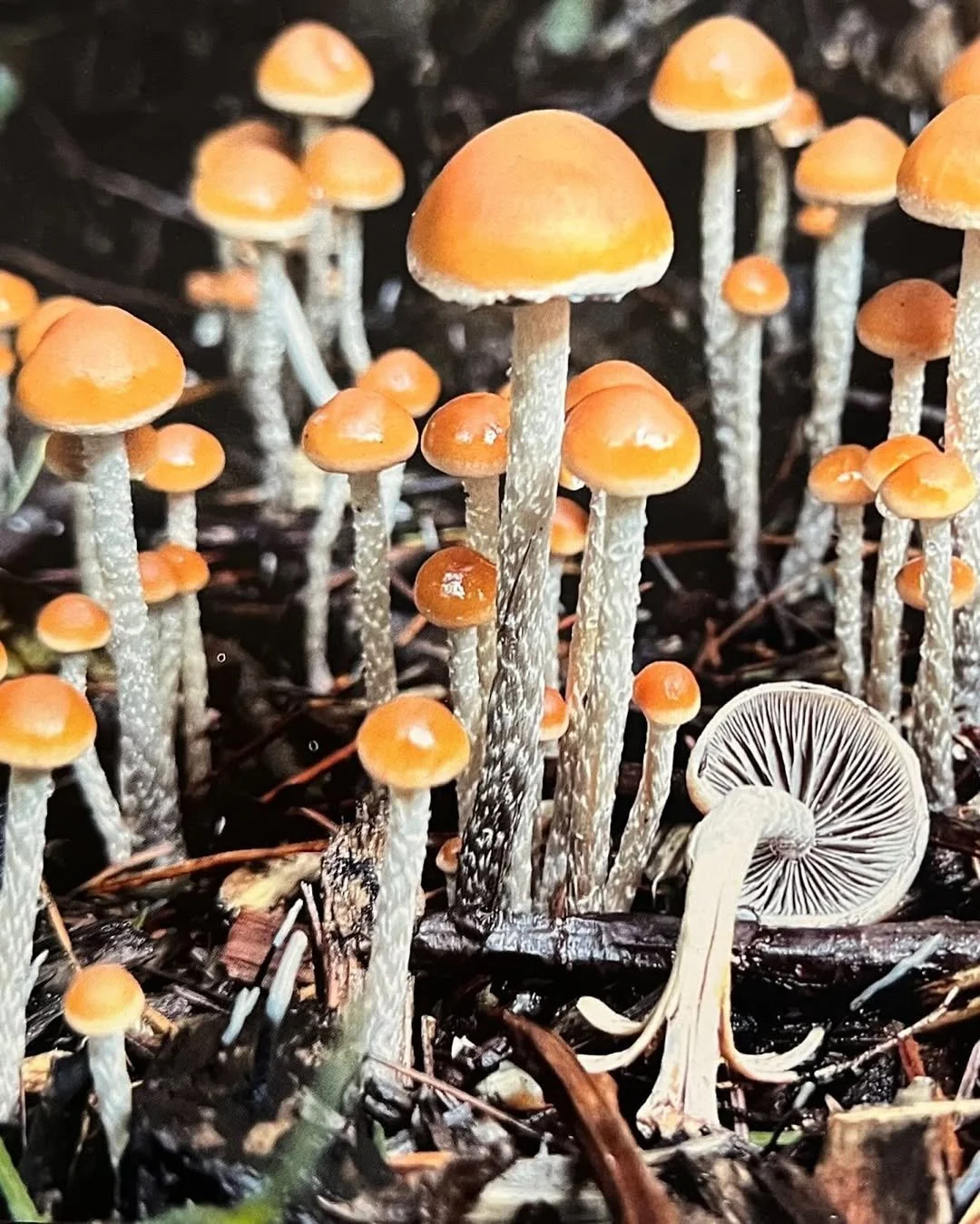
Entoloma serrulata, Mycena amicta, and Hypholoma dispersum (pictured here) are among the most common look-alikes of the psilocybin species and are what I like to call, the tricksters. Many of the tricksters are also indicator species, meaning they often grow in proximity to psilocybin mushrooms.
Beware, some tricksters are poisonous and should not be consumed! (The above featured species are not yet known to be poisonous.) Be sure of your identification and if you choose to ingest a psilocybin species, exercise best practices to ensure a safe experience. Note that in some regions of the world psilocybin species are legal. In many regions, they are not.
To learn more about these tricksters and the poisonous and non-poisonous varieties, check out my latest book Psilocybin Mushrooms in Their Natural Habitats.
Get your copy: https://fungi.com/products/psilocybin-mushrooms-in-their-natural-habitats